




Blog
Can Books Be Eco-Friendly? Best Sustainable Publishing Explained

Can Books Be Eco-Friendly? Sustainable Publishing Explained :-
Eco-friendly publishing: Can a book be sustainable? Yes, they can. From the early days, books have always been known as fountains of knowledge, but they are made by destroying nature by cutting trees for making pages, ink, which is harmful to nature, printing machines, which work on energy and book transportation, which produces pollution. The production of books creates a large amount of carbon footprint, which is harmful to our environment.
To decrease the use of carbon footprint in nature, publishers are innovating ways to make books like e-books, using recycled papers to make pages, and making vegetable ink. Publishers are taking the initiative to make books that are sustainable in nature to protect the environment.
1. Sustainable Paper Choices
Can Books Be Eco-Friendly? Sustainable Publishing Explained NEELAM PUBLICATION
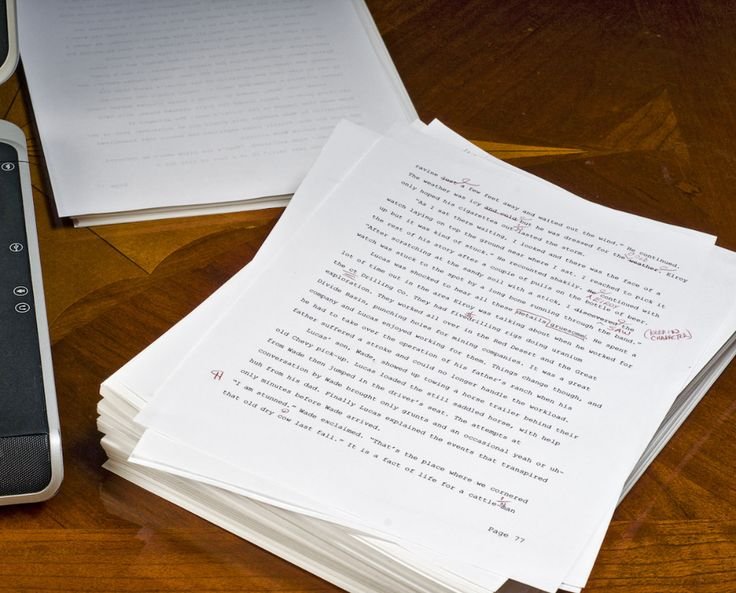
For book printing, pages are the first need.
Traditional paper making involves cutting trees and destroying forests on a large scale and wasting large amounts of water, and releasing greenhouse gases to make pulp. Publishers are taking steps to make sustainable books that favor nature.
Like using FSC-certified paper, which is forest stewardship council (FSC), which ensures that the paper is made from well-managed forests where trees are replanted.
And using other tree alternatives to make paper, such as bamboo, hemp, which are faster-growing trees and are durable in nature than trees that produce paper.
2. Eco-friendly Inks & Printing

Can Books Be Eco-Friendly? Sustainable Publishing Explained NEELAM PUBLICATION
Publishers are also taking the initiative on using inks that do not harm nature, like vegetable-ink or soy inks, which do not have toxic chemicals in them, rather than petroleum-based inks, which harm the environment.
Publishers are also starting to publish their books on social media and other online apps, which reduces the cases of book production and also tries to use more print-on-demand methods so that books are not overproduced, which also minimizes the waste.
3. Responsible Printing Practices

Can Books Be Eco-Friendly? Sustainable Publishing Explained NEELAM PUBLICATION
The traditional book printing process consumes a lot of energy, even if we use sustainable paper. It also produces a large amount of carbon footprint when the books are shipped from one place to another for the distribution of books.
We can reduce the carbon footprint by printing the books where they will be sold. This helps to reduce carbon emissions. But many printing machines run on fossil fuels. If we make use of renewable energy to print books, like solar panels or hydropower, we can reduce the use of fuel, which will help to reduce the impact on the environment
4. Minimalist & Recyclable Packaging
Can Books Be Eco-Friendly? Sustainable Publishing Explained NEELAM PUBLICATION
Many publishers use plastic wraps and ship them in other non-recyclable plastic materials, which are harmful to the environment. To avoid such harmful use of material, publishers are shifting towards biodegradable and recyclable packaging for their books, which also ensures the safety of the books.
They also encourage bulk shipping so that carbon emissions are cut down when the books are shipped in bulk.
5. Digital Publishing
Can Books Be Eco-Friendly? Sustainable Publishing Explained NEELAM PUBLICATION
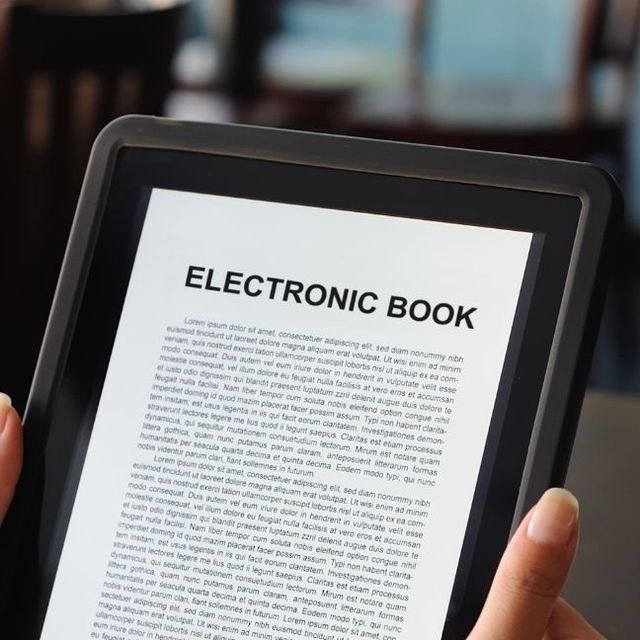
When everything is getting digitalized, Publishers are also taking steps to make books in digital form by making the books in not only helps to decrease the amount of carbon footprint that is normally produced during the production of a book.
E-books and audiobooks, which lower the usage of ink and trees that are cut down to make paper. Though e-books and audiobooks also produce a carbon footprint but it’s much less than that of traditional paperbacks. By a balanced mix of print + e-books, this makes sure that readers who like to read print books can still enjoy them, while other readers use digital format to read books.
6. Circular Economy in Books

Can Books Be Eco-Friendly? Sustainable Publishing Explained NEELAM PUBLICATION
What is a circular economy? It is a cycle when books are exchanged and bought second-hand by the readers, as they have a long life expectancy if well taken care of. The Circular Economy is mainly used in libraries and book stores. Publishers have started experiments where old books are exchanged to get new ones, and it’s common in libraries where books are returned to the library if the reader has finished reading them. The circular economy has become easier due to the innovation of glue-free book binding and recyclable book covers.
7. Green Publishing Certifications
Can Books Be Eco-Friendly? Sustainable Publishing Explained NEELAM PUBLICATION
Many publishers are now trying to seek Green publication certifications, which verify the use of eco-friendly book-making Practices
Which are sustainable in nature. As these certifications not only ensure the eco-friendly Practices but also make the publication transparent to the readers who are conscious about the protection of the environment. There are many Green initiatives like:
Green Press Initiative (GPI), which encourages publishers to reduce their carbon footprint by recycling paper.
Forest Stewardship Council (FSC): which certifies that the paper is made from well-managed forests and takes responsibility for the environment and biodiversity
Sustainable Green Printing Partnership (SGP): which initiates printers to use sustainable printing practices, which include the use of renewable energy and also includes waste reduction.
Can Books Be Eco-Friendly? Sustainable Publishing Explained
Eco-friendly publishing is no longer a trend but a necessity for today’s world where large numbers of trees are cut down to make books by using this sustainable choices we are not only reduce the waste but also saving our environment as publishers are taking steps to use products like degradable packaging, recycled papers, printing books with the use of renewable energy and also using digital format to publish their books, as they also obtain Green certifications which shows that publication industry can reduce its ecological footprint without without sacrificing the quality or readers experience.
Due to this change in publishers, readers have also taken initiative, like exchanging their books or choosing recycled books to read, which brings us closer to a green future.
Our publication, Neelam Publication, which focuses on innovation and supports protecting our nature, has also started to use sustainable publishing practices that favour the environment. As books give us knowledge, they should also not harm our environment. If any authors who want to publish books can contact our office at this given number (9892153444), as protecting our environment is in our hands. For further information visit : https://neelampublication.com/
BY – MADHURA KAMBLE