




Blog
Devdutt Pattanaik Biography: Books, Mythology, LGBTQ Views & Legacy.

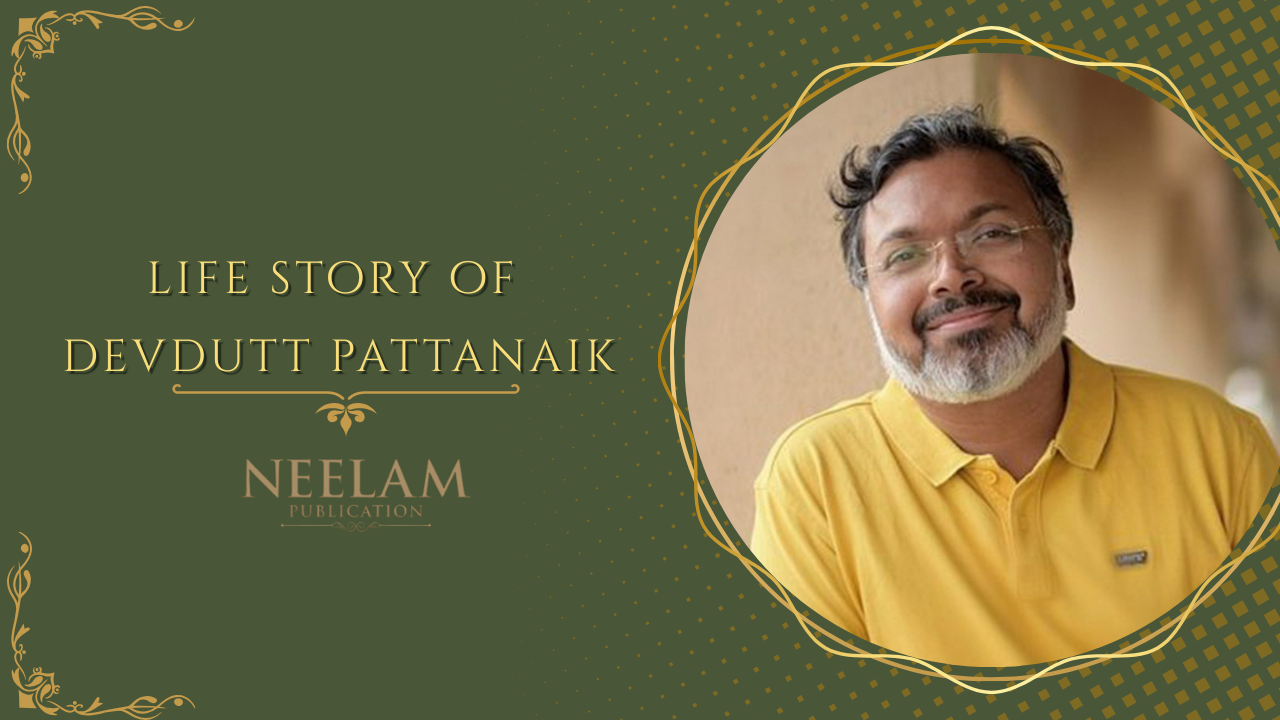
Devdutt Pattanaik Biography: Books, Mythology, LGBTQ Views & Legacy: A medical doctor by qualification but a passionate writer by heart, Devdutt Pattnaik Mythology is a writer and a mythologist, along with being a speaker and an illustrator. He is known for his writing on ancient Indian mythology, Folklore, fables and many more. He has written over 50 books with 1500+ articles on Indian mythology and symbolism, and stories of ancient India. Devdutt Pattanaik’s work mostly focuses on areas like myth, religion, and Vedic history. He also has independent knowledge about human resource management.
Devdutt, who supports the LGBTQ community, has written many books and articles about them. Which encourages people to read his books, which explains that there has been diversity in humans from ancient times. He also voices his thoughts about how our society should learn to accept rather than believe in rigid morals.

Devdutt Pattanaik Entry life and education
Devdutt Pattanaik, son of Sabitri and Prafulla Pattanaik, was Odia, but he was born in Mumbai, Chembur in 1970, which exposed him to diverse cultures as he was born into a multicultural urban environment. His exposure to multicultural environments helped to shape his curiosity in the myths and traditions of different cultures.
Devdutt completed his schooling in OLPS (Our Lady of Perpetual Succour) in Chembur, Mumbai. He gained interest in Indian mythology, like the Ramayana, from school plays. Later, he pursued his education in medicine, earning an MBBS degree from Grant Medical College in Mumbai.
After completing a degree in medicine, Devdutt started working in the medical and pharmaceutical industry for nearly 14 years. Although he worked as a doctor, he felt an unknown pull towards Indian mythology and Comparative religion.
To learn more about myth and deepen his knowledge, he pursued a postgraduate diploma in comparative mythology from the University of Bombay. He wrote many articles for the newspaper independently and also drew many mythological illustrations. This later became a feature of his analytical style because of a combination of science and mythology.
Career Journey
Devdutt Pattanaik’s first book was published in 1997, The Shiva: An Introduction, which marked his formal entry into the publication industry. In his book, Devdutt talks about the meaning behind the symbols, gods, and rituals instead of giving rational responses. His book gained popularity because many readers want to know the reason and truth about mythology.
Famous Books by Devdutt Pattanaik
After he entered publishing, he gained widespread popularity due to books like Myth=Mithya, in which he wrote about how myths are stories that are shaped by the cultural beliefs of the religion or the people. His books mostly cover themes like drama, leadership qualities, cultural diversity, cultural differences and many other topics. Along with writing books, he also made and wrote many illustrations and books on Indian myths.
- Sita: Illustrated Retelling of the Ramayana. Where he presents the story in his formal style.
- Jaya: Illustrated story of the Mahabharata. He wrote the story from different perspectives and forms.
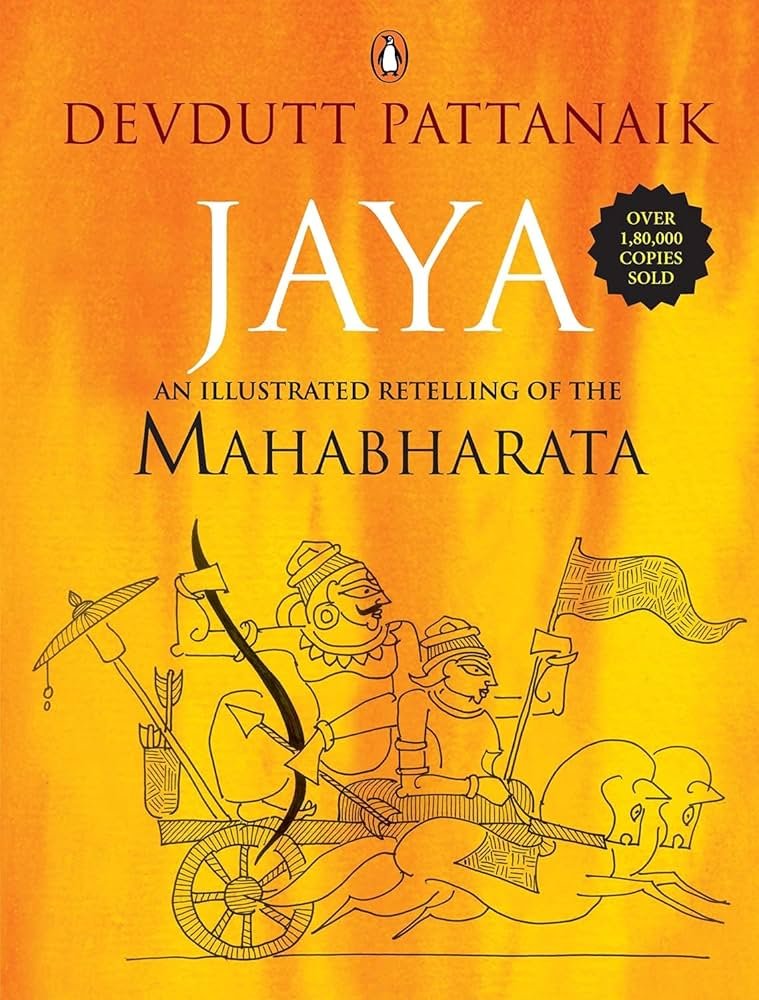
He wrote many similar books on Indian myth.
- Vishnu: An Introduction.
- Devi, The Mother-Goddess: An Introduction.
- The Goddess in India: The Five Faces of the Eternal Feminine.
- Hanuman: An Introduction.
His Views on Indian Mythology
He believed that mythology helps to make and reflect a human mind. Myth explains how one should live a life and what is right or wrong. A person can learn things like power, gender, culture, success and failures from Myth.
He says that mythology should be interpreted and not blindly followed. He also believes that individual people see the world very differently, and multiple versions of a myth can also coexist with each other depending on how each person believes in the story.
Devdutt Pattanaik and LGBTQ Representation
Devdutt Pattanaik strongly believes that Indian mythology supports and acknowledges sexual diversity and gender fluidity in our. He always denies that LGBTQ are Western and modern ideas, but these are deeply rooted in toy myth.
He says that old myths and symbols show a far better understanding of gender fluidity than in modern times.
Pattanaik points out that myth has never restricted people in male and female forms but supports fluidity. He also gave examples like
- Ardhanarishvara, the combined form of Shiva and Shakti, celebrates the unity of both the feminine and masculine energies.
- Shikhandi from the Mahabharata, who represents a complex gender identity and plays a crucial role in the epic.
- Vishnu as Mohini, A form of female taken by Vishnu, which shows gender fluidity.
Pattanaik notes that ancient history books, temples, and sculptures mention people being gender fluid and diverse expressions of love and desire. The condemnation of homosexuality came from the colonizers through their Victorian rules and laws, and not from ancient Indian society.
To support LGBTQ, he had written many books.
The Pregnant King (2008)
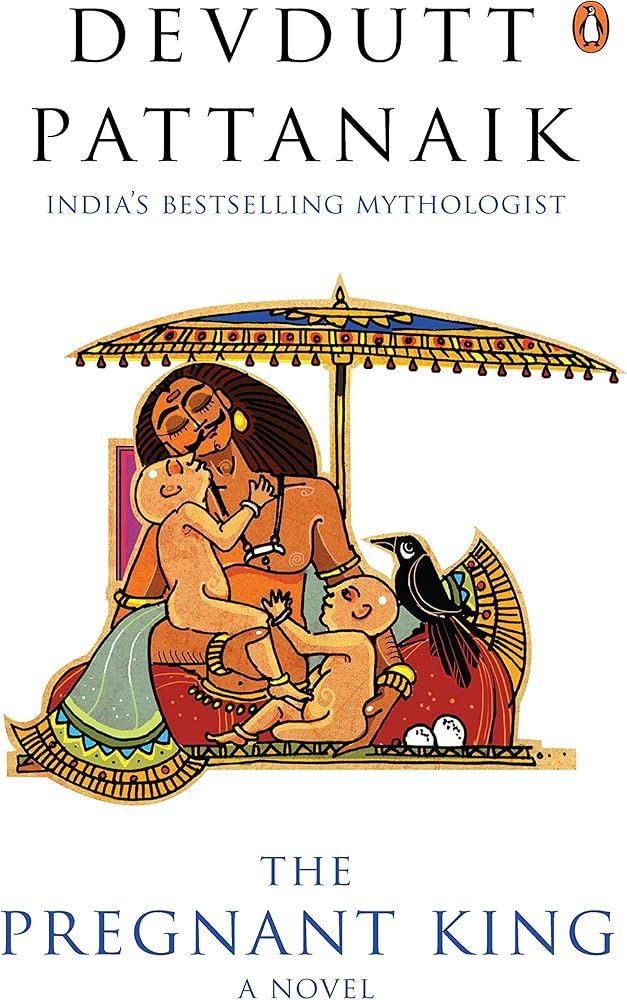
The Pregnant King
This book talks about gender fluidity and transformation, where a king accidentally becomes pregnant after drinking a magical potion meant for a woman. This book revolves around the mix of male and female power, which marks it as a queer book in his career.
Shikhandi and Other Tales They Don’t Tell You (2014)
This book retells many lesser-known stories from the Mahabharata and other Indian myths. This shows elements like same-sex desire, trans figure, and gender ambiguity. Pattanaik highlights how there are many identities included in ancient history and books beyond the male and female binary.
My Gita
This book focuses on her inner monologue of acceptance of her inner thoughts, personal truth and identity. These are much related to queer readers, though it is not LGBTQ focused.
TED Talks & Public Lectures
Devdutt Pattanaik has appeared and worked in many famous television shows and digital platforms. His Indian TED talk in 2009, where he talked about Indian mythology and how myths are shaped by people based on how they think and live. He explains mythology as a reflection of human beliefs and culture. His talks position him as a modern interpreter of myth instead of traditional religious scholars.
He also held public lectures. And delivered lectures in universities, colleges, corporate events and many other programs. His easy use of words and examples made the sessions more engaging for the young audience.
He also hosted shows such as “ Devlok with Devdutt Pattanaik,” where he exposed the concept of mythology and how it is relevant to today’s contemporary issues.
Controversies & Criticism
While Devdutt Pattanaik is widely admired for his interpretations of ancient Indian history. He is also attacked and faced criticism for his interpretations from various religious scholars and conservative groups who feel that Pattanaik questions the sacred text, but in reality, he interprets the text.
Pattanaik maintains a neutral stance; he says that mythology always evolved around reinterpretation. He has also been criticised for his Views on LGBTQ+ themes; some groups claim that he imposes modern ideas on ancient myths. Even though he has been criticised, he still interprets his work for the younger generation and helps them engage with ancient history.
Contribution and Legacy
Devdutt Pattnaik has written over 50+ books and thousands of articles. His work has played an important role in reviving interest in Indian mythology among the younger generation. And brought ancient wisdom with modern thinking and lifestyle. He explains Indian mythology as a subject that everyone relates to, rather than just a religious history to study.
Why Devdutt Pattanaik is Popular Among Youth
Pattanaik is famous among the younger generation because he explains the complex history in easy and simple words, and also explains the reason behind the symbols and stories. His use of easy language makes the people interested in the story. He helps youths connect their modern-day life with mythology.
Devdutt Pattanaik is also famous for his Views on multiple themes like LGBTQ and gender diversity. This makes the youth resonate strongly with mythology and makes them feel accepted and culturally connected.
Indian Mythologyist Devdutt Pattanaik’s life journey is from being a medical doctor to a unique mythologist who inspired many people. He followed his passion for being an author and a book writer. He is also a famous illustrator and has inspired many people through his books and art. Pattnaik made people connect with mythology with his powerful voice and interpretative skills. Today, he is addressed as a key figure in interpreting Indian mythology in the modern world, making ancient history connect with today’s culture and life.
FAQ’s
1. Why is Devdutt Pattanaik criticized?
He is criticized mainly for modernizing and reinterpreting ancient myths, which some traditional scholars feel moves away from original scriptures and classical interpretations.
2. Do scholars consider his work academic?
Some scholars argue that his writing is popular and interpretative rather than strictly academic, as he focuses more on storytelling and symbolism than detailed textual analysis.
3. Why do conservative groups oppose his views?
Conservative readers oppose his progressive views on gender, sexuality, and multiple interpretations of myths, believing mythology should remain traditional and unchanged.
4. Does Devdutt Pattanaik respond to criticism?
Yes. He states that mythology has always had many versions and interpretations, and debate is a natural part of Indian storytelling traditions.
5. How do supporters view the criticism?
Supporters believe the criticism highlights his importance, as his work encourages discussion, critical thinking, and youth engagement with Indian culture.
———————————————-
BY- MADHURA KAMBLE.
